Understanding the Importance of Fall Cleanup
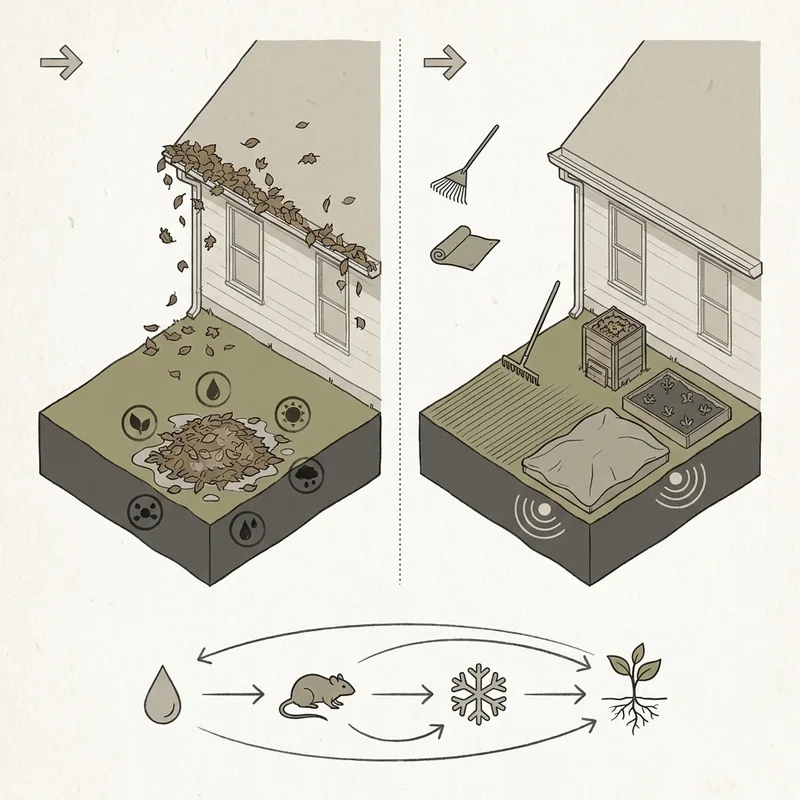
A thorough fall cleanup covers removing diseased plant debris, cutting back perennials, mulching beds, testing and amending soil, clearing leaves, and winterizing tools and irrigation. These tasks protect soil health and set the stage for vigorous spring growth.
I learned the hard way, years ago, that skipping fall cleanup is not a kindness to the garden. Left to their own devices, fallen leaves and spent stalks harbor fungal spores and insect eggs that emerge with a vengeance come May. The cleanup itself is less about tidiness than about breaking disease cycles and protecting the soil that everything depends on.
What you do now directly shapes what the garden can do next April. Clearing away blighted tomato foliage and powdery-mildewed phlox stems removes the inoculum that would otherwise overwinter. A 2 to 3 inch layer of organic mulch conserves soil moisture and suppresses weeds without smothering plant roots, as the Royal Horticultural Society advises. Fall is also the right time to check your vegetable beds’ pH, because most vegetables grow best in soil with a pH between 6.0 and 7.0, slightly acidic to neutral, according to Michigan State University Extension. Lime takes months to work into the soil; applying it now means the adjustment lands in time for planting.
The connection between autumn effort and spring reward is plain. Soil that is covered, fed, and protected through winter freezes and thaws comes alive faster. Cleanup is not about erasing the garden’s remains but about curating what stays and what goes, so the ground is ready when the light returns.
Assessing Your Garden’s Needs
A good cleanup starts with a slow walk through the beds, notebook in hand, to assess which plants need cutting back, which stay standing for wildlife, what soil amendments your beds require, and how to handle leaves and diseased debris before frost.
Assessing Your Garden’s Needs
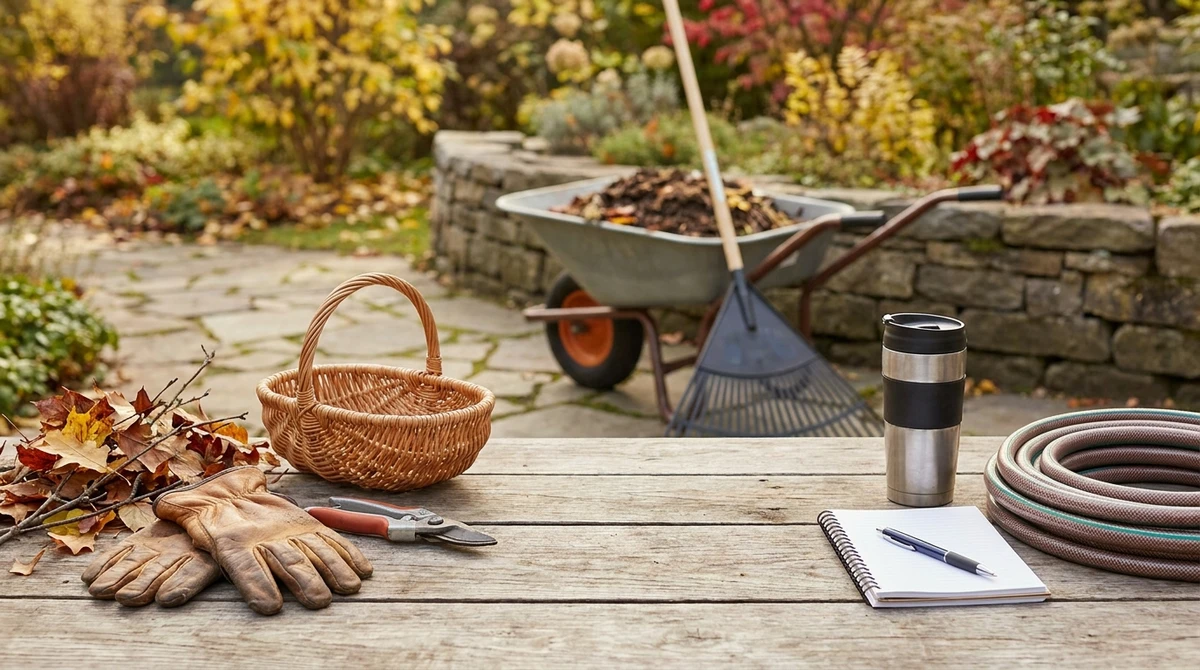
Before I cut a single stem, I walk the garden. Not quickly. I carry a notebook and a thermos of tea, and I let myself notice things. The asters may still be buzzing. The Rodgersia might already be collapsing into mush. Those observations drive every decision that follows.
Identifying which plants need special attention is really about reading the garden’s signals. A Monarda patch covered in powdery mildew goes on the “cut and remove” list. I do not compost diseased foliage. I bag it. Healthy seed heads, though, stay standing. Goldfinches work the Echinacea and Rudbeckia all winter long, and the structural silhouette of standing Sedum gives the garden bones when snow arrives.
Soil assessment comes next. I take a trowel and dig down six inches in the vegetable beds, checking compaction and looking for earthworms. A simple home pH test tells me whether I need to adjust. Most vegetables grow best in soil with a pH between 6.0 and 7.0, slightly acidic to neutral, according to Michigan State University Extension. If my test reads below 6.0, I add garden lime. If it reads above 7.0, I work in elemental sulfur, though sulfur acts slowly and I adjust my expectations accordingly.
I also note bare spots where a 2 to 3 inch layer of organic mulch would conserve soil moisture and suppress weeds without smothering plant roots, as recommended by the Royal Horticultural Society. I prefer shredded leaves for this purpose, raked from the lawn and piled around perennials. They break down by spring, feeding the soil food web rather than sitting inert like wood chips.
Cleaning Up Debris and Weeds
Removing debris and weeds starts here: clear spent annuals and diseased foliage first, leaving seed heads and standing stems where pollinators overwinter; pull weeds after rain when roots release easily; then mulch bare soil to protect it.
I start with the obvious: the blackened tomato vines, the bean plants gone to paper, the zucchini leaves powdery with mildew. Anything diseased goes to the municipal compost pile, not my home bin. A hot heap might not reach the temperatures needed to kill pathogens, and I’d rather not gamble. Healthy debris, though, I’m more selective about. The hollow stems of Rudbeckia and Echinacea hold the larvae of native bees; I leave those standing through winter, seed heads and all, and clean them up in March when the insects have emerged.
Weeds are the other half. After a good rain, I walk the beds with a fork, lifting taproots of dandelion and dock while the soil is soft. Annual weeds like chickweed and hairy galinsoga get pulled before they set seed. One missed plant can scatter thousands. I top the freshly weeded soil with a 2 to 3 inch layer of organic mulch, which the Royal Horticultural Society notes conserves moisture and suppresses weeds without smothering roots. Shredded leaves are my preferred material, though straw or composted bark works equally well. The mulch breaks down slowly, feeding the soil life that will be working all winter underground: the earthworms, the mycorrhizal fungi, the bacteria I never see but depend on completely.
Mulching: The Key to Soil Health
Mulching: The Key to Soil Health
A fall cleanup is incomplete without mulching. Spreading a 2 to 3 inch layer of organic mulch over beds conserves moisture, suppresses weeds, and protects plant roots through winter. After debris is cleared, mulch is what feeds the soil and locks in the work you’ve done.
I think of mulch as the garden’s winter coat. A 2 to 3 inch layer of organic mulch conserves soil moisture and suppresses weeds without smothering plant roots, according to the Royal Horticultural Society. I spread shredded oak leaves over my perennial borders. They mat down nicely and break down slowly, feeding the soil food web through freeze and thaw. Pine needles go around the blueberries and azaleas, which appreciate the slight acidity. Finished compost tops the vegetable beds, where most crops grow best in soil with a pH between 6.0 and 7.0, as Michigan State University Extension notes, slightly acidic to neutral.
The choice of material matters. Cocoa shells are too rich and expensive for my taste. Wood chips are fine for paths but can rob nitrogen if dug in. I keep mulch pulled back from crowns and trunks; an inch of air space prevents rot. What goes down now becomes next spring’s humus, and that quiet transformation is the real point of the whole exercise.
Preparing Plants for Winter
Preparing Plants for Winter
After the debris is cleared and the beds are bare, the real work begins, not tidying but tucking in. I think of this stage as the garden’s bedtime story: a little mulch here, a cutoff there, and a firm promise that the cold won’t bite too hard.
For perennials, I leave the sturdy crowns of Sedum and Echinacea standing. They catch snow, which insulates the crown better than any blanket I could buy. Tender things like rosemary and lavender get a loose collar of shredded bark, nothing mounded against the stems. The Royal Horticultural Society recommends a 2 to 3 inch layer of organic mulch to conserve soil moisture and suppress weeds without smothering plant roots, and I’ve found that depth just right. Enough to buffer the freeze-thaw cycle, not so much that voles move in and treat it as a heated condo.
Vegetables need their own send-off. I pull every last tomato and pepper plant, diseased or not, because solanaceous debris harbors blight. Then I test the soil. Most vegetables grow best in soil with a pH between 6.0 and 7.0, slightly acidic to neutral, as Michigan State University Extension notes. If mine drifts below 6.0, I add lime now so it has months to work before spring planting. A thin layer of compost over the emptied beds feeds the soil biology all winter, quiet, slow work that pays off the moment the ground thaws.
Final Touches for a Successful Spring
Before I even hang up the tools for the season, I pull a soil sample. Fall is the right time. Results come back from the cooperative extension without the spring rush, and I have months to adjust. Most vegetables grow best in soil with a pH between 6.0 and 7.0, slightly acidic to neutral, according to Michigan State University Extension (soil pH and its importance in the garden). If the pH is off, nutrients sit locked in the soil, unavailable no matter how much compost I pile on.
Once I have the numbers, I sketch next year’s planting map. Crop rotation isn’t glamorous, but it breaks pest and disease cycles in ways no spray can. I keep a simple notebook: tomatoes where the beans were, beans where the greens stood. The RHS recommends a 2 to 3 inch layer of organic mulch to conserve soil moisture and suppress weeds without smothering plant roots (RHS guidance on mulch), so I lay that down now over the bare patches, letting winter work it in. Come March, I walk out to beds that are already fed, already mapped, already half-done. The garden feels less like a scramble and more like a conversation I started months ago.
Takeaways: Your Fall Garden Cleanup Checklist
Takeaways: Your Fall Garden Cleanup Checklist
A fall cleanup comes down to a handful of essential tasks: clearing diseased debris and weeds, cutting back the right plants while leaving others standing for wildlife, mulching to protect soil, and winterizing vulnerable perennials and shrubs before the ground freezes.
After thirty-plus years of putting gardens to bed, I can tell you that the work always feels bigger in anticipation than it does in execution. So start somewhere, anywhere. Pull the frost-blackened annuals from one bed, or rake the fallen leaves off the lawn and onto a border where they’ll do some good. Most vegetables grow best in soil with a pH between 6.0 and 7.0, slightly acidic to neutral, as Michigan State University Extension notes, so if you haven’t tested your soil in a few years, late fall is the moment to send a sample and amend before the ground locks up. A 2 to 3 inch layer of organic mulch conserves soil moisture and suppresses weeds without smothering plant roots, according to the RHS, and that depth matters. Too little and you’ve wasted your effort; too much and you’ve invited rot.
The soil is the part I keep coming back to, because everything else, the cutting back, the tidying, the careful decisions about what to leave standing, serves the soil. Get that right and the spring takes care of itself in ways that surprise me every single year, even now.
Frequently Asked Questions
Frequently Asked Questions
What tasks should be included in a fall garden cleanup checklist?
A thorough fall cleanup covers removing spent annuals and diseased foliage, cutting back perennials that have finished, weeding, soil testing, mulching beds, cleaning tools, and winterizing irrigation. I also test vegetable-garden pH, since most vegetables grow best in soil with a pH between 6.0 and 7.0, slightly acidic to neutral, per Michigan State University Extension.
What should be cut back, removed, or left standing in the garden for winter?
I cut back disease-prone plants like peonies and bearded iris to the ground, but I leave seedheads on coneflowers, rudbeckia, and ornamental grasses standing for overwintering birds and beneficial insects. Hollow-stemmed plants such as salvias also provide shelter for solitary bees, so I resist the urge to tidy everything.
When is the best time to do fall garden cleanup before frost or freeze?
I begin fall cleanup after the first hard frost blackens tender foliage, which signals dormancy here in Zone 5B. Working too early can stimulate tender new growth that a later freeze will simply kill. Some tasks, like leaf collection and mulching, I stretch through November until the ground freezes solid.
How should leaves, diseased plant material, and garden debris be handled or disposed of?
Healthy leaves get shredded and composted or spread directly onto beds as a free mulch layer. Diseased material, anything with powdery mildew, rust, or leaf spot, I bag and discard rather than composting, since home piles rarely reach the temperatures needed to kill pathogens. I never burn; it wastes organic matter.
What additional fall maintenance should be done, such as mulching, tool cleanup, and winterizing irrigation or containers?
I apply a 2 to 3 inch layer of organic mulch, which conserves soil moisture and suppresses weeds without smothering plant roots, according to the RHS. Then I drain and store hoses, scrub tools with a wire brush and oil them, and move terra-cotta containers into the shed before freezing splits them.
Sources
- Michigan State University Extension — Msu (canr.msu.edu)
- Royal Horticultural Society — Rhs (rhs.org.uk)
Leave a Reply