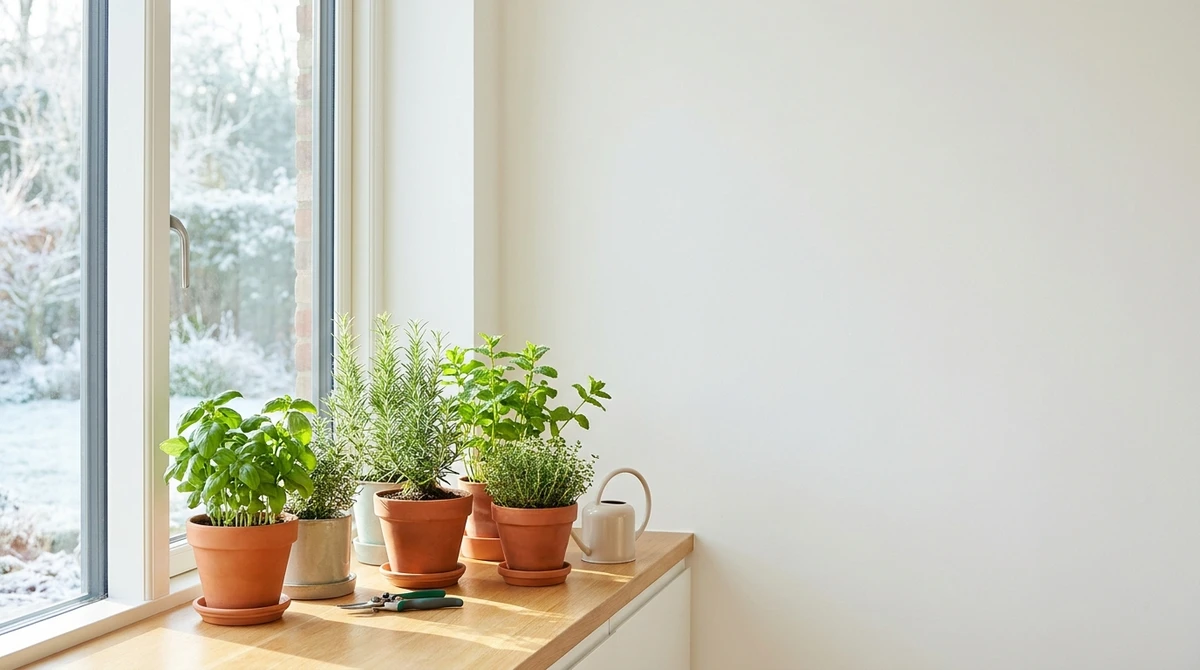
Understanding the Needs of Herbs
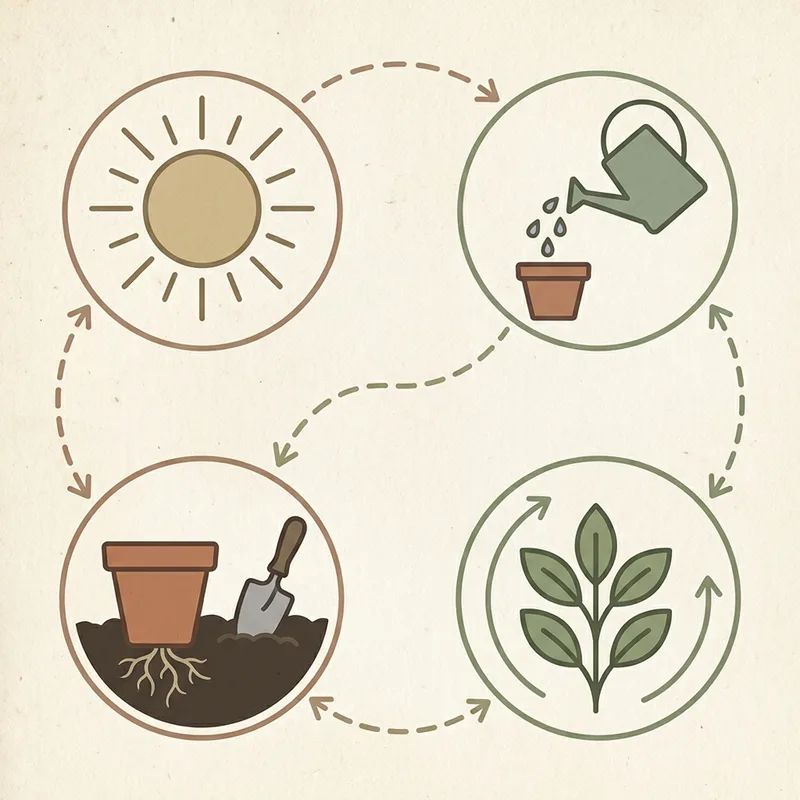
Overwintering herbs indoors isn’t about replicating summer—it’s about listening to what they’ve forgotten how to say. Rosemary, thyme, and sage remember the cool, dry air of Mediterranean hillsides; they thrive where the light is sharp and the soil stays stubbornly dry. Basil and cilantro? They’re southerners caught in a northern winter, and without supplemental light and steady warmth, they fade fast. I’ve buried more than one potted oregano under its own wet roots, convinced it needed more water. I won’t do it again.
Mint, though tough outdoors, turns into a leggy ghost indoors unless pinched weekly and given at least six hours of direct sun—something even a south-facing window struggles to deliver in December. The Chicago Botanic Garden says most herbs need four to six hours of sun, or about 14 hours of supplemental light, daily to stay compact, aromatic, alive. Without it, they stretch, weaken, and eventually go quiet. My rosemary sits near a cool east window—55°F, just enough to slow it without stopping it. I water only when the top inch of soil feels like a crumbled pencil eraser.
Herbs aren’t just transplanted garden plants. They’re refugees from seasonal rhythms, each with its own winter dialect. Thyme tolerates dry air like a desert nomad. Chives crave cool nights and consistent moisture—50 to 60°F is their sweet spot. Basil, brought in too late and too warm, turns yellow within days, a silent protest against humidity below 40%. It’s not about keeping them alive—it’s about keeping them useful. Soil matters, yes, but airflow matters more. A radiating room feels like spring to us. To them, it’s a trap. A healthy herb in January should still smell like itself. If it doesn’t, the light is wrong—or the roots are drowning. fall garden cleanup checklist helps you prepare them for the move—but true success begins when you learn to hear their quiet language.
Choosing the Right Location Indoors
Sunlight isn’t a suggestion. It’s the currency of survival. Rosemary, thyme, and sage need at least six hours of direct light—just like tomatoes do. Almanac I’ve watched too many pots slump on north-facing sills, leaves pale, stems thinning like they’re whispering for help. A south-facing window can still give that intensity in December—if you rotate the pots every few days. Left alone, they lean like sunflowers on a tilt.
Mint, parsley, and chives are more forgiving. They’ll tolerate less, but they’ll thank you with fuller growth if you tuck them beside the rosemary. I keep mine on a shelf beneath a fluorescent fixture in the kitchen—simple, reliable, untouched by cloud cover. Humidity is the quiet crisis. Heated rooms in December are deserts. Cilantro wilts in days. I set trays of pebbles under their pots, filling them with water just below the stones. The slow evaporation lifts the air like a whispered breath of spring.
And never ignore the drama of a drafty door. One night, a single plant near it curled its leaves inward, roots chilled. Location isn’t just about light. It’s about reading the room—the rhythm, the sighs, the unspoken needs. If you’ve just finished your fall garden cleanup checklist, this is where the real work begins—not in the soil, but in the space you choose to shelter it.
Watering and Humidity Management
I’ve lost more herbs to kindness than to frost. Watering because I thought they looked sad. Watering because it was Tuesday. Rosemary, thyme, sage—they don’t crave constant moisture. They beg for dry roots. The rule now? Stick your finger in up to the second knuckle. Only water when it’s dry as parchment. And when you do, give them a slow drink—not a flood.
Humidity is the quiet crisis. Our homes in December are bone-dry. Basil, lemon balm, even mint wilt like old paper. I keep a shallow tray of pebbles under their pots, water just below the stones. The moisture rises, gentle, without ever touching the soil. On nights the furnace kicks on and the air turns brittle, I mist the leaves lightly before bed—not to wet them, but to remind them of dew. Marjoram thrives this way. Oregano shrugs it off and grows slower, steadier.
You don’t need a humidifier unless you’re growing a whole windowsill jungle. One pot, one tray, one patient hand—that’s enough. And if you’ve just moved herbs inside from the garden? Don’t rush. Let them adjust. They remember the light. They’ll tell you when they’re ready. fall garden cleanup checklist taught me to trim, inspect, ease them in—not yank them out.
Common Mistakes to Avoid
I’ve lost rosemary to overwatering more than to frost. Its silvery needles turn soft, then black, then slip from the pot like wet tissue. The mistake? Assuming less growth means less water. But the soil never dries—not truly. Thyme, oregano, sage—they’re natives of dry, rocky slopes. Soggy roots are their death sentence. I check with my finger: if the top inch is damp, leave it be. Dry to the knuckle? Then a sip. Never a soak.
Light? A south-facing window isn’t enough if it’s dusty or shaded by evergreens. I’ve seen basil, once vigorous, collapse in a corner where the light was merely “bright”—not direct, not sustained. Grow lights aren’t luxury. After November, they’re nonnegotiable. I hang my LEDs just above the pots, on a timer: 14 hours, no less.
Pests? I inspect the undersides of leaves every time I water. Aphids cluster where stems meet foliage. Spider mites leave their fine lace on mint. One scale insect on a bay leaf can become a colony before you notice. I spray with diluted neem oil—no chemicals—and isolate any suspect plant immediately. Don’t wait for yellowing. The moment you bring herbs inside, treat them like guests in a quiet, sunlit room—not an afterthought. You wouldn’t leave a friend in a drafty closet with a perpetually full glass of water. Why do it to your thyme? fall garden cleanup checklist taught me to look before I moved them—clean pots, trim deadwood, check for hitchhikers. It’s the same discipline indoors.
Fertilizing and Soil Care
Soil isn’t just dirt in a pot. It’s the quiet foundation of survival. Most herbs—sage, oregano, thyme—thrive in slightly acidic to neutral pH, the same range as vegetables: 6.0 to 7.0. CanR MSU I test mine in late fall, before the move indoors. Too alkaline, and nutrients lock up. Too acidic, and roots sulk.
I rarely fertilize through winter. The plants aren’t growing. They’re holding their breath. A slow-release granular organic fertilizer worked into the soil at transplant time—late September, when the nights first bite—is enough. I avoid liquid feeds. They encourage tender new growth that burns under low light and invites spider mites. If a plant looks pale by January, I wait. I whisper to it. Then wait some more.
The soil should remain just damp, never soggy, never dust-dry. A light top-dressing of compost in early February, when the days begin to lengthen, often rouses a sleepy basil or chervil—not because it needs feeding, but because it needs the hint of spring. I’ve watched this rhythm too many times to rush it. The soil remembers what the plant forgets. And if you did your fall garden cleanup right—removing debris, aerating, mulching lightly—the potting mix will carry that quiet strength into winter.
Monitoring and Adjusting Care
I watch my rosemary like a sentinel. When its needles begin to yellow at the tips, I know: the air is too dry. Not the radiator’s fault, exactly—but the consequence of winter’s siege. Basil drops leaves the moment the soil stays damp past noon. I’ve lost three pots that way, convinced I was being kind. Thyme? Thyme is stoic. It tolerates neglect better than most. But if the light fades even a little, its stems stretch toward the window like beggars.
I rotate them weekly. South-facing light, even in January, isn’t uniform. I check the soil with my finger—not a gadget, not a thermometer—just my knuckle, sinking an inch deep. Cool and clinging? Wait. Dust-dry and cracking? Water slowly. No more than once a week, unless the pot sits above a radiator. Then, twice.
I’ve seen mint survive in a mason jar on a north sill. Lemon balm? It withers unless it gets five hours of direct sun. I keep a modest LED strip over my chives now—nothing fancy, just enough to mimic the lengthening days of early spring.
And I never assume. One year, I moved oregano indoors too early. It sulked for weeks. Only when I left it on the porch, wrapped in burlap, until the first frost kissed it—then brought it in—did it settle. Herbs remember seasons. They don’t just adapt. They grieve, then resume.
If you’re wondering whether your herbs are thriving, look at the new growth—not the old. A single tender shoot on your sage? That’s your answer. And if you’re not sure what to do next, revisit your fall garden cleanup checklist. Sometimes, the best overwintering begins long before the pot enters the door.
Conclusion and Key Takeaways
I’ve watched rosemary struggle in drafty windowsills and thyme surrender to root rot in soggy pots—season after season. Overwintering herbs indoors isn’t about mimicry. It’s about patience. You can’t just bring them in when the first frost bites. You must notice how their growth slows, how their thirst changes, how the light angles differently across the sill each morning.
Basil won’t survive, no matter how much you coax it. Stick with hardier souls: oregano, sage, chives, even lemon balm if you give it room. I’ve had pots of mint thrive for two winters on a south-facing shelf, its roots creeping through the drainage holes like quiet rebels. Don’t treat them like houseplants. They’re dormant, not dormant-dead.
Water only when the top inch feels dry—never on a schedule. A humidity tray helps, but not as much as keeping them away from radiators. A single grow light, hung just above the tallest pot, makes more difference than any fertilizer. And when March comes, don’t rush them back outside. Let them acclimate slowly, like you’d ease a child into a cold pool.
Try one herb you’ve never overwintered—maybe tarragon or cilantro—and watch what happens. The garden doesn’t end with frost. It just changes its voice. For the rest of your winter prep, don’t forget the fall garden cleanup checklist. And if you’re curious about how soil pH affects root health, this guide has kept me grounded for years.
Frequently Asked Questions
Which herbs can be successfully overwintered indoors, and which ones are best left outdoors or replaced each year?
I’ve kept rosemary, thyme, and sage alive for years by the south window—these woody perennials tolerate dry air and low light better than most. Basil, cilantro, and dill? They’re annuals, and I let them go with the frost. Mint survives indoors but runs wild in its pot; I keep it separate. Chives often bounce back, though they thin out. Parsley? A stubborn biennial—I treat it as a one-winter wonder. Don’t waste effort on tender herbs like lemon balm unless you’ve got strong light.
When should herbs be brought indoors for winter, and how should they be prepared before moving them?
I wait until nighttime temps dip below 45°F—usually late October here in the Hudson Valley. Before moving them, I inspect for aphids and spider mites, rinse the foliage, and repot into clean containers with fresh potting mix. I cut back leggy growth by a third—this isn’t pruning for shape, but to reduce transplant shock. I’ve seen too many herbs sulk for weeks after being yanked inside too early, their roots still clinging to cold soil.
What kind of light do indoor overwintered herbs need, and are grow lights necessary?
A south-facing window is non-negotiable for rosemary and thyme—they’ll stretch and die without six hours of direct sun. I’ve watched them curl toward the glass like sunflowers. If your light is weak, even a simple LED grow strip helps. I use one on a timer from 7 a.m. to 7 p.m. for my windowsill sage. It’s not glamorous, but it’s the difference between a few limp leaves and a winter harvest. Don’t rely on ambient light alone—herbs don’t care about your décor.
Leave a Reply