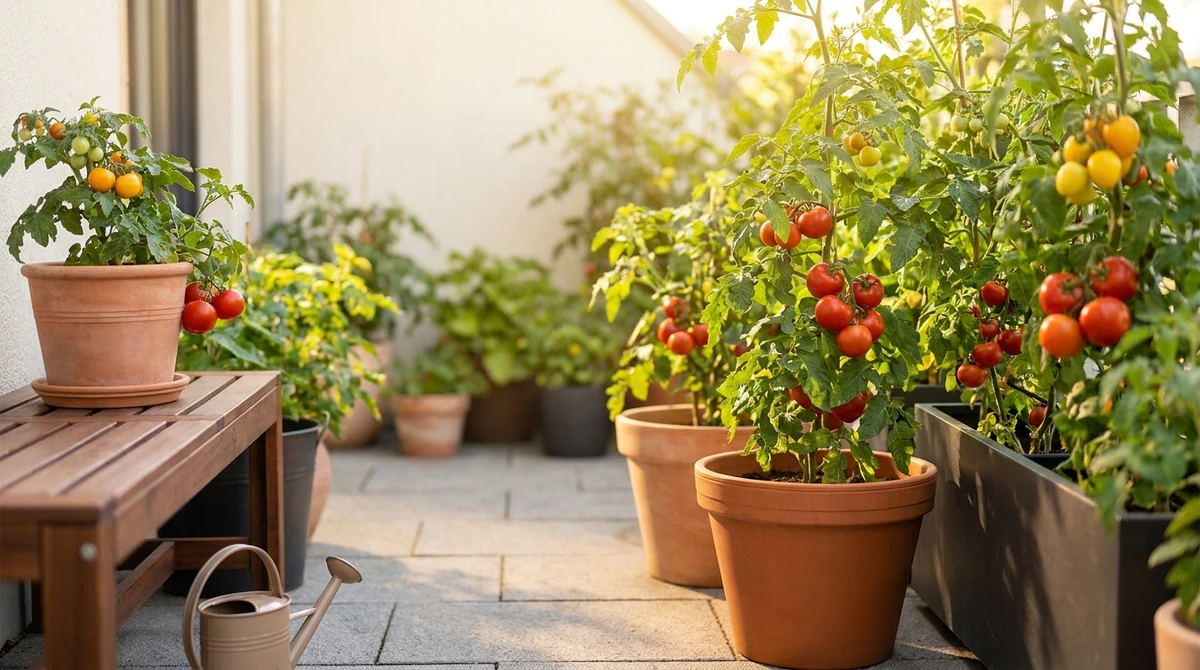
The Joy of Growing Tomatoes in Containers
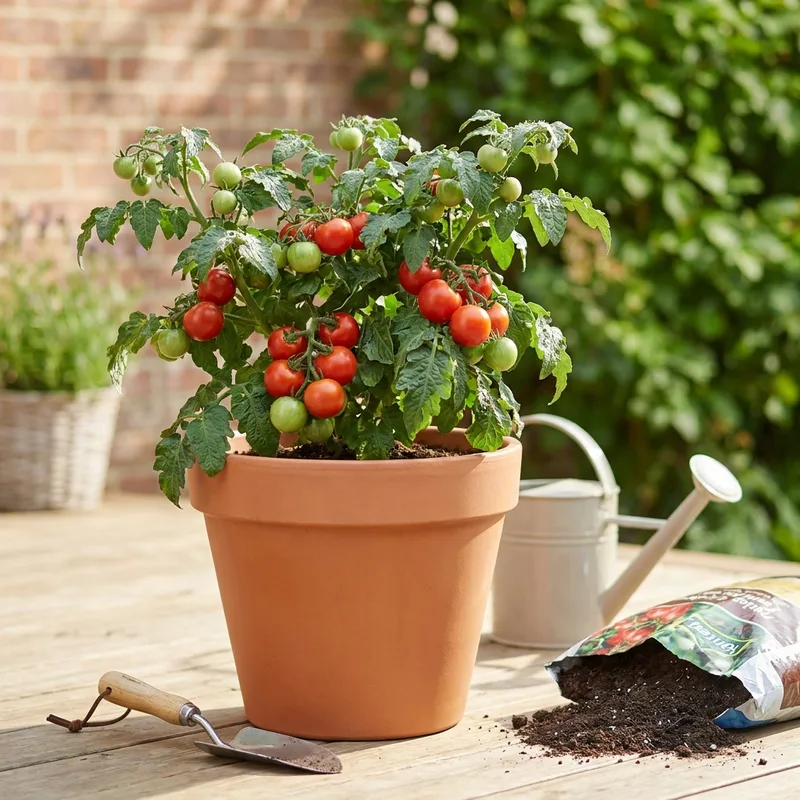
Growing tomatoes in containers on a sunny patio works—beautifully—if you choose the right variety, give them at least 6 to 8 hours of direct sunlight per day, and treat the pot like a miniature garden bed, not an afterthought. I’ve grown ‘Sungold’ and ‘Black Krim’ in 18-gallon fabric pots on my south-facing concrete terrace since 2017, and each July, the vines bow under the weight of fruit that tastes like summer distilled.
I remember one August, when the heat wave hit and my neighbor’s potted tomatoes wilted by noon—mine, tucked just beyond the edge of the concrete’s radiating heat, stayed crisp. They needed more than sun; they needed air. That’s why I never use plastic buckets, never skip drainage holes, and always mix in a third of perlite. The soil breathes. The roots don’t suffocate. And when the first truss of ‘Celebrity’ ripens, you don’t just taste it—you remember the quiet rhythm of watering at dawn, the bees in the blossoms, the way the light slants across the fruit at 5 p.m.
It’s not magic. It’s attention. The patio isn’t a compromise. It’s a stage.
Choosing the Right Containers
I’ve settled on 15-gallon fabric pots for my ‘Sungold’ and ‘Brandywine’—not because they’re trendy, but because they breathe. Plastic buckets retain heat like a sauna in July, and I’ve seen root rot creep in before the first blossom opens. Clay, though elegant, dries too fast under my southwest-facing patio’s 8 hours of direct sun—exactly what the Almanac recommends for fruit set, but not if the soil turns to dust by noon. Fabric pots strike a balance: cool roots, steady moisture, and enough room for a rootball that’ll sprawl like a wild thing.
I’ve tried smaller—5-gallon, even 10—and watched ‘Celebrity’ plants gasp by midsummer, leaves curling like burnt paper. Size matters. You can’t cram a vine that’ll reach six feet into a pot meant for thyme. Drainage? Non-negotiable. I drill holes in every bottom, even if the pot claims it’s “self-draining.” My ‘Cherokee Purple’ last year, in a ceramic pot without extra drainage, never gave me more than three fruits. It wasn’t the variety—it was the trap.
Light is the currency, but the container is the bank. Choose wisely.
Soil Health: The Foundation of Success
Tomatoes in containers don’t just need space—they need the right earth. Too often, I’ve seen pots filled with generic potting mix, then wonder why the plants stall. They thrive in soil that’s slightly acidic, between 6.0 and 7.0 pH. I test mine every spring with a simple probe—it tells me if I need to lower the pH with peat or raise it with crushed eggshells.
I fill my 18-inch pots with a mix of half composted leaf mold and half aged pine bark, then stir in a handful of worm castings. The smell of that rich, dark soil—earthy, alive—always reminds me of my grandmother’s garden. It’s not just nutrients; it’s structure, breathability, the slow release of minerals. I top it with a 2 to 3 inch layer of shredded bark mulch, just enough to hold moisture without suffocating the roots.
I don’t overfeed. I let the soil do its work. And when the first trusses swell, heavy and green, I know it’s not luck—it’s the earth beneath them.
Sunlight: The Key to Fruit Production
I’ve watched too many tomato plants on patios languish—not from lack of water, not from pests, but from too little sun. They’ll leaf out lush, green, and proud, then flower and drop their blossoms like confetti with no fruit to show for it. That’s the quiet truth of container gardening: you’ve done everything right, except the one thing the plant won’t compromise on. Tomatoes need at least 6 to 8 hours of direct sunlight per day to set fruit well.
I moved my ‘Sungold’ and ‘San Marzano’ pots from a north-facing railing to the south wall last spring—just three feet, but enough to catch the full arc of the sun from 9 a.m. to 5 p.m. The difference wasn’t subtle. Within weeks, clusters of fruit swelled where there had been only empty calyces. If your patio casts shadows after 3 p.m., don’t settle. Rotate containers every few days, or consider a wheeled plant caddy. Sunlight isn’t just helpful—it’s the engine. And like any engine, it runs on fuel you can’t fake.
Watering Wisely: Keeping Your Tomatoes Hydrated
I’ve learned to read my tomatoes like a book—the curl of a lower leaf, the dull sheen on a fruit, the way the soil cracks at the rim of the pot. Underwatered plants droop by noon, even in shade, their leaves crisp at the edges like burnt parchment. Overwatered ones? They go pale, slow, reluctant to flower—roots drowning even when the surface looks dry. In containers, the line is thin.
I water deeply only when the top inch feels warm and dusty, never on a schedule. My 5-gallon pots of ‘San Marzano’ and ‘Black Krim’ drink fast under our July sun, but I’ve learned to wait—until the pot feels lighter, until the leaves sigh. I’ve stopped using saucers—too many drowned plants came from them. Instead, I lift each pot after watering, feeling its weight drop over the next two days. When it’s half as heavy, I water again.
I mulch with a 2 to 3 inch layer of shredded bark—just enough to hold moisture without smothering. Not for looks, but to slow evaporation between deep soaks. You can’t overwater if you’re listening.
Mulching for Moisture and Weed Control
A two- to three-inch layer of organic mulch—shredded bark, straw, or even well-rotted leaf mold—slows evaporation like a silent guardian, keeping the root zone cool and damp long after the pot’s surface has gone dry. I’ve watched the difference: a bare pot cracks open by noon; a mulched one holds moisture until dusk. The RHS confirms it: a 2 to 3 inch layer of organic mulch conserves soil moisture and suppresses weeds without smothering plant roots.
I avoid plastic or stone—too hot, too inert. Straw, especially, lets air through while keeping the soil’s skin intact, and when it breaks down, it feeds the microbes that feed the roots. I layer it gently after the soil warms in late May, leaving a finger’s width clear around the stem. It’s not glamorous, but it’s the quietest, most reliable trick I know.
Common Challenges and Solutions
I’ve lost count of how many tomato plants I’ve killed by over-potting—too much soil, too little air at the roots. In containers, space isn’t just a constraint; it’s the condition of success. Choose a five-gallon bucket for a determinate ‘Roma’, or a ten-gallon for ‘Beefsteak’—anything smaller and you’re begging for root-bound frustration. I’ve seen gardeners cram three plants into a single half-barrel and wonder why the fruit shrivels. They’re not starving for sun—they’re starving for room.
My patio gets nine hours of direct light in July, and that’s the sweet spot. As the Almanac confirms, tomatoes need at least six to eight hours of direct sunlight per day to set fruit well. But light alone won’t save you from aphids or whiteflies—they find your patio plants fast. I spray neem oil at dawn, when the breeze is still, and repeat every five days. No chemicals. Just patience and precision.
Mulch? I lay down two inches of shredded bark—not three, not one. Too thick, and the soil stays cold; too thin, and the water evaporates by noon. I check mine every week, fluffing it like a pillow. It’s the quietest trick I know.
Takeaways for Successful Container Tomato Gardening
I’ve watched cherry tomatoes like ‘Sungold’ blush on my east-facing patio, their vines straining toward the light, and I know this: six hours of sun won’t cut it. Tomatoes need at least 6 to 8 hours of direct sunlight per day to set fruit well. I’ve lost plants to shade—even with a south-facing wall—because the morning light faded too soon. Choose your spot like you choose a wine: with patience, and an eye for how the sun moves.
Use a 20-gallon container—I’ve used a $8 storage bin from Home Depot, drilled with four holes, and it held ‘Celebrity’ through July without a single split. Fill it with a mix of compost, peat, and perlite—no garden soil. Water deeply, then wait until the top two inches dry. Mulch with straw—not bark—to slow evaporation and keep roots cool.
Start small—one plant, one container, one season. Plant it. Watch it. Let it surprise you.
Frequently Asked Questions
What are the best tomato varieties for growing in containers on a sunny patio?
I’ve grown ‘Tumbling Tom’ and ‘Patio Princess’ for years—compact, prolific, and perfect for 5-gallon pots. ‘Sweet Baby Girl’ vines spill beautifully over edges, while ‘Celebrity’ holds its own in larger containers. All thrive where the sun hits hard. Don’t chase heirlooms unless you’re ready to train them like vines; determinates win here.
What size and type of containers (including material and drainage) are ideal for patio tomato plants?
Go big—15 gallons minimum for indeterminates, 5–7 for dwarfs. I favor glazed ceramic or thick plastic: they hold moisture without baking roots in summer heat. Drainage holes? Non-negotiable. I drill extra ones if needed. A pot that dries out in two days won’t feed a tomato—it’ll just stress it into surrender.
What soil mix, fertilizer schedule, and watering routine should I use for healthy tomatoes in pots?
I use a mix of 60% high-quality potting soil, 30% compost, and 10% perlite. No garden dirt—it compacts. Feed every 10 days with a balanced organic fertilizer like fish emulsion. Water deeply at dawn, until it runs from the bottom. Container tomatoes drink like thirsty guests at a summer party—never let the top inch dry out.
How do I support, prune, and manage patio tomato plants to maximize yield and prevent common problems?
I use 5-foot tomato cages—sturdy, not flimsy wire. Pinch off suckers below the first flower cluster; it channels energy to fruit. Prune yellowing leaves near the soil to cut fungal risk. Keep airflow open—crowded plants invite blight. Mulch with 2 to 3 inches of straw to retain moisture and keep soil cool.
How can I prevent and treat common pests and diseases that affect container-grown tomatoes on a patio?
Aphids and whiteflies show up if I neglect inspection. I spray neem oil at first sign, or blast them off with water. For early blight, remove affected leaves immediately and avoid wetting foliage. Sunlight matters: tomatoes need at least 6 to 8 hours of direct sunlight per day to set fruit well. My pots get 9—no excuses for poor fruit.
Sources
- Almanac — almanac.com
Leave a Reply